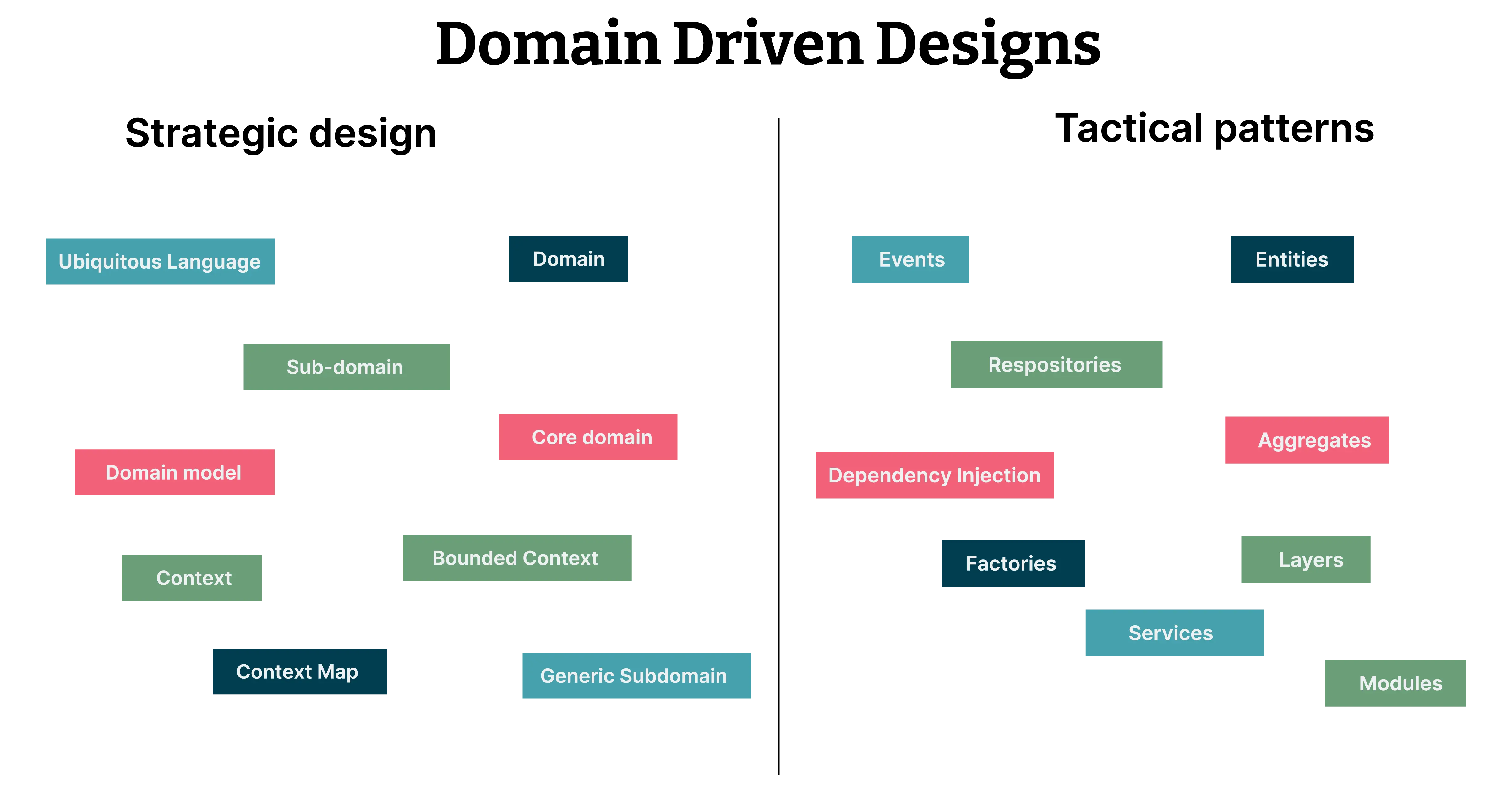
DDD encourages developers to deeply understand the business domain in order to craft software that accurately reflects its needs. This leads to more intuitive software design and avoids the pitfalls of building systems that are overly abstract or disconnected from the business.
The foundation of DDD is creating a shared language between developers and domain experts. This 'ubiquitous language' ensures that everyone, from developers to stakeholders, is on the same page regarding the business logic and requirements. By aligning the technical model with the business domain, DDD makes it easier to address complex problems and ensure that the software is built with the right goals in mind.
One of the primary benefits of DDD is its focus on breaking down complex systems into smaller, more manageable components. Through techniques such as bounded contexts and aggregates, DDD allows teams to work on smaller, independent parts of the system while maintaining a clear view of how those components fit into the larger business process. This modular approach not only makes the software easier to maintain but also improves scalability by isolating potential issues within specific domains.
Additionally, DDD promotes strategic design patterns that help manage complexity at the architectural level. For example, Event Storming allows teams to visually map out business processes, uncovering critical areas where domain models can be improved. By using these patterns, developers can ensure that the software reflects both the business requirements and the underlying technical constraints.
However, embracing DDD requires a shift in mindset. It necessitates a deeper collaboration with business stakeholders and a commitment to building software that serves the business, rather than just focusing on technical considerations. While DDD can initially seem like an investment in time and resources, it ultimately leads to systems that are more maintainable, scalable, and aligned with business goals.