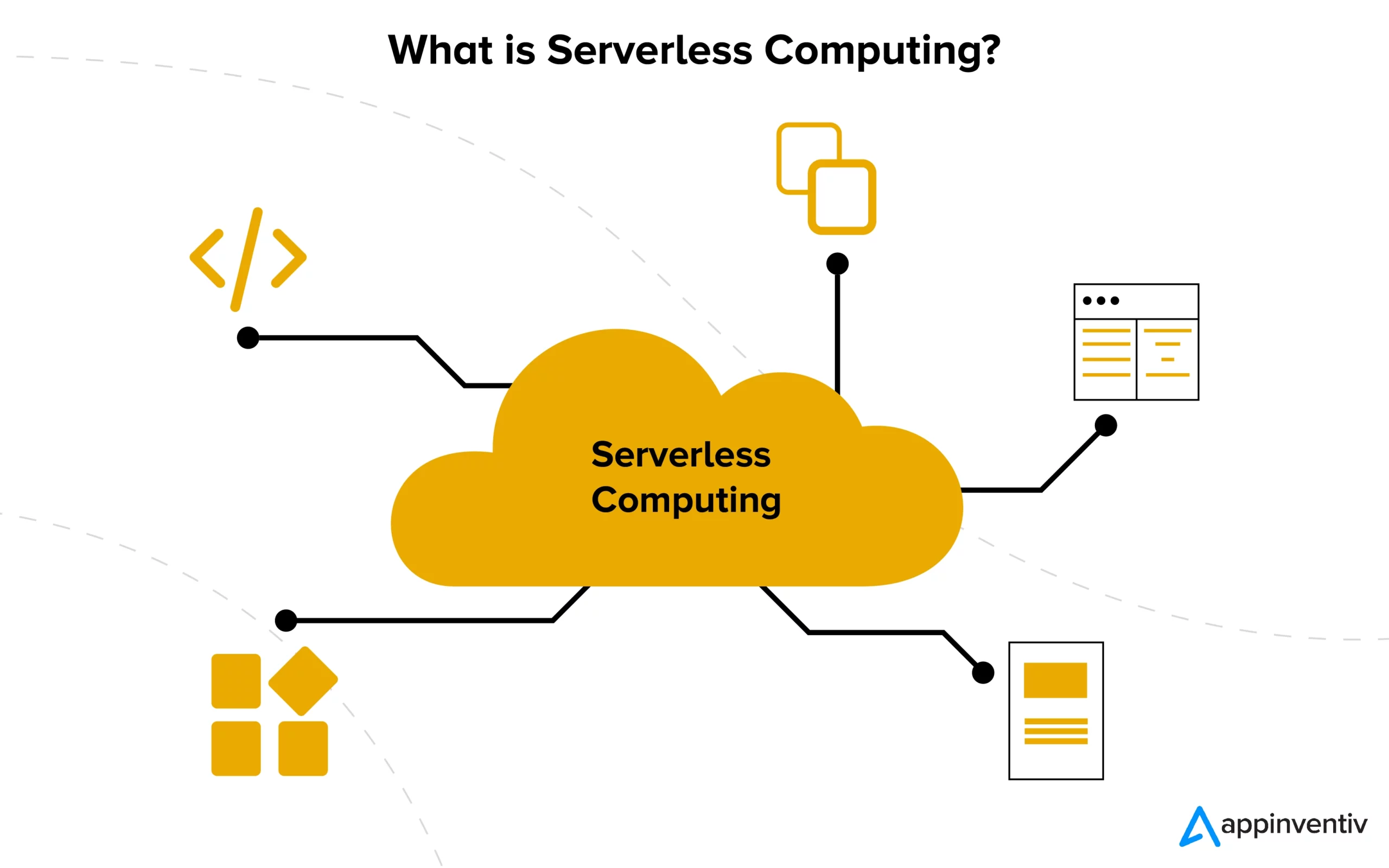
One of the significant advantages of serverless computing is the ease with which applications can be deployed. Traditional serverbased models often require businesses to pay for fixed server capacity, regardless of whether it is fully utilized. With serverless, developers only pay for the resources consumed during application execution, following a payasyougo model. This results in more efficient cost management, particularly for applications with unpredictable traffic or varying workloads.
Moreover, serverless platforms automatically scale the resources based on demand. This dynamic scaling ensures that applications can handle varying levels of traffic without requiring manual intervention. Whether it’s handling spikes in traffic during peak times or scaling down when demand decreases, serverless computing adjusts seamlessly, making it an excellent choice for applications with fluctuating workloads.
Another challenge is resource allocation. Serverless platforms automatically scale based on demand, but it’s crucial to monitor and manage resource usage to ensure that functions are allocated the appropriate amount of computing power. Inefficient resource allocation can lead to higher costs or performance degradation.
Despite these challenges, adopting serverless computing can significantly streamline application development and reduce infrastructure management overhead. By focusing on the business logic and leveraging automated scaling, developers can deliver highquality applications with minimal operational complexity.