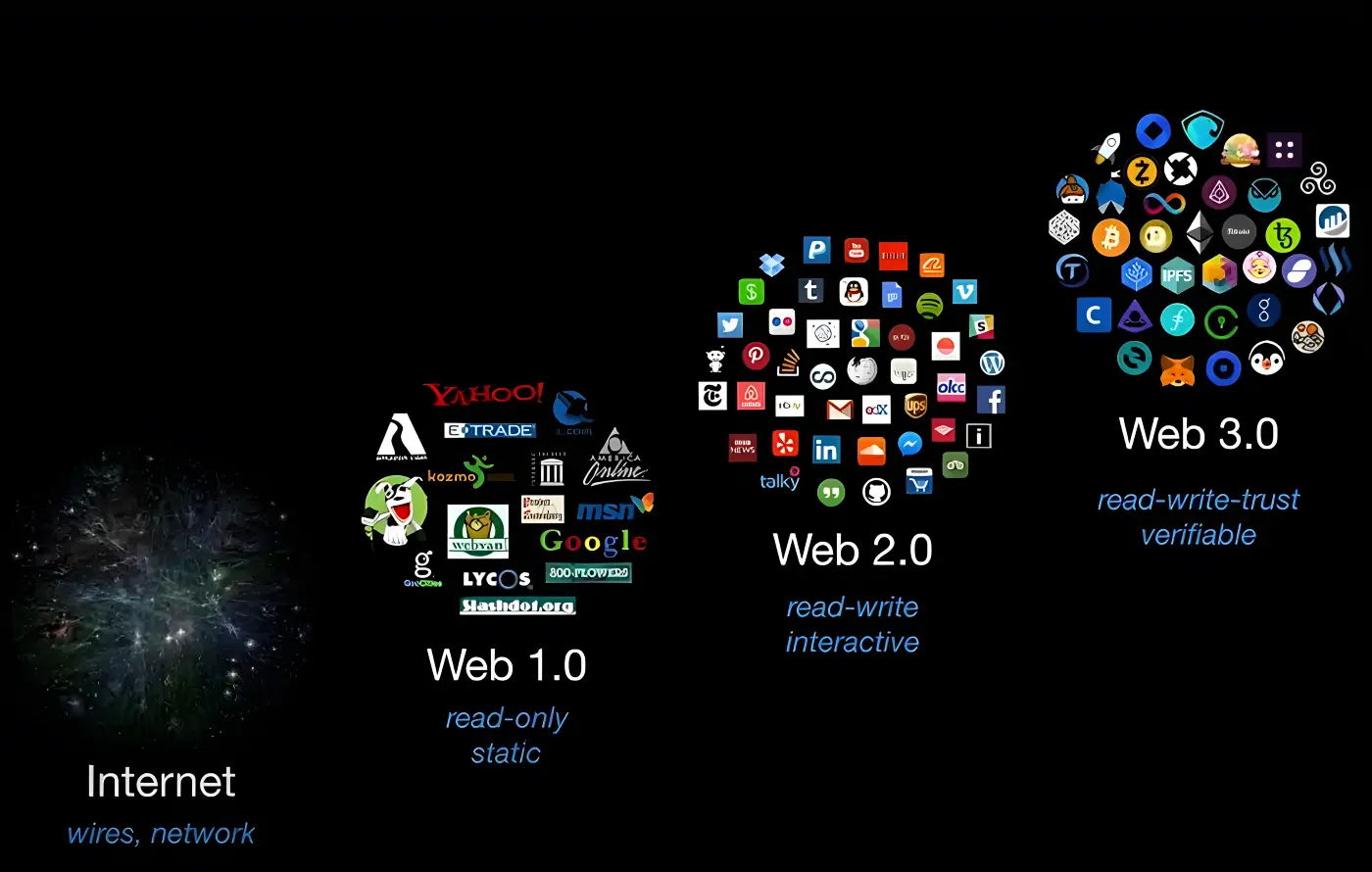
One of the significant opportunities in Web3 development is the ability to build decentralized applications (dApps) that run on blockchain networks rather than centralized servers. This fundamentally changes how applications are structured and operated. Developers no longer rely on traditional serverbased infrastructure. Instead, they work with decentralized protocols and technologies that allow for a more transparent and secure exchange of data.
In the Web3 ecosystem, blockchain technology plays a pivotal role. By leveraging blockchain's immutable ledger, developers can ensure the integrity and transparency of data without relying on intermediaries. This enables greater trust and security, particularly in applications involving financial transactions, identity verification, or voting systems.
However, building Web3 applications is not without its challenges. Unlike traditional applications, dApps require developers to have a deep understanding of blockchain architecture and cryptographic principles. Smart contracts, the building blocks of decentralized applications, must be written in specific programming languages like Solidity or Rust. These contracts are executed on the blockchain, and once deployed, they are immutable, which means any mistakes or vulnerabilities can be costly.
Moreover, Web3 technologies often come with performance issues that are not typically seen in Web2 development. For example, blockchain networks can experience scalability issues when handling large volumes of transactions. While solutions such as Layer 2 scaling and sharding are being developed, Web3 developers must still work within the constraints of current blockchain technology and find innovative ways to address scalability concerns.
Another challenge that developers face in the Web3 space is the complex user experience (UX) associated with interacting with decentralized applications. Unlike traditional applications, dApps often require users to manage wallets, private keys, and tokens, which can be a barrier to entry for nontechnical users. Creating seamless, userfriendly interfaces while maintaining the security and functionality of decentralized systems is an ongoing challenge for engineers.
Despite these challenges, the Web3 ecosystem offers vast opportunities for innovation. As a engineer in the space, the chance to contribute to the decentralized future of the internet is incredibly exciting. Whether it’s creating new decentralized finance (DeFi) applications, building secure voting systems, or developing NFTs that empower artists, Web3 has the potential to change the way we interact with the digital world.